


Google I/O 2026: An Inside Look at the "Agentic Era" (and What It Means for Your ROI)
May 20, 2026
Every year, Google holds its I/O developer conference, floods the internet with shiny new tech terms, and leaves the average business owner asking, "Cool, but what does this mean for me?"
This year's answer was unambiguous: we have entered the Agentic Era of AI. Google is now processing over 3.2 quadrillion tokens per month across their ecosystem. This isn't a roadmap item — it's already running.
Mosaic had an insider's seat. Our SEO Manager attended Google I/O in person — on the ground in Mountain View, talking to engineers, testing the developer labs, and translating these shifts into strategy before your competitors have finished watching the recap.
Here's what actually changed, and what you should do about it.

At Mosaic, we don't believe in tech hype or vanity metrics—we believe in data and transparency. While much of I/O was fun tech fluff, several announcements are going to radically change how you run your business and win customers online.
Here is the straightforward breakdown of what just changed, and our strategic take on how to navigate it.
1. Google Search's Biggest Structural Shift in 25 Years
AI Mode has crossed 1 billion monthly active users, with conversational queries doubling every quarter. Google is moving decisively away from static link lists toward a conversational engine that builds custom, interactive interfaces on the fly to answer complex queries.
What this means for your business: Nearly 60% of Google searches now end without a single click (Sparktoro). When Google's AI synthesizes the answer directly on screen, users never need to visit your site. The old goal — rank #1 — is no longer enough.
The new goal is to be cited inside Google's AI Overview. Brands explicitly named by the AI see a 35% lift in organic clicks over those left out. We're shifting our clients from traditional SEO to GEO (Generative Engine Optimization) — making your brand the definitive source the AI pulls from.
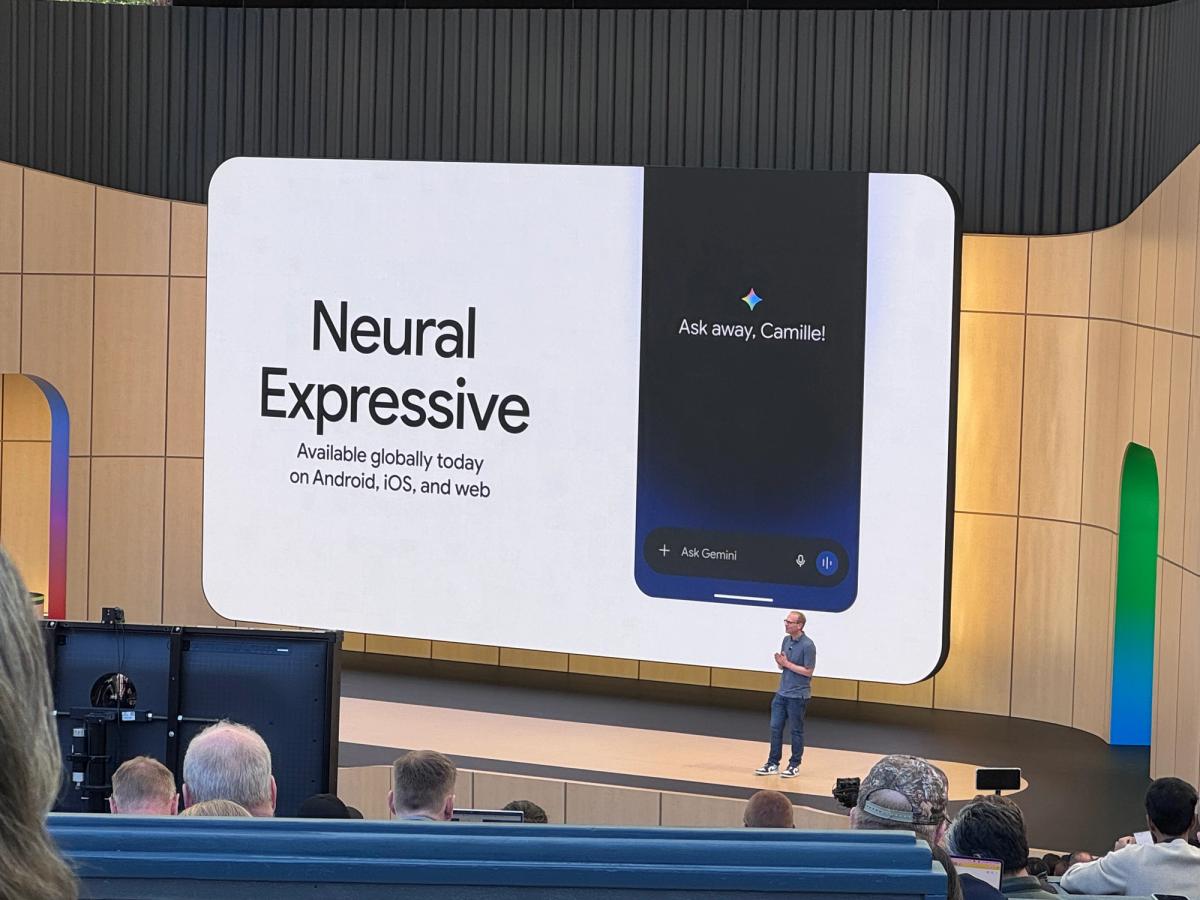
Google is rapidly moving away from static lists of links and moving toward a conversational engine. With their new Neural Expressive design framework, Search will now build custom, interactive interfaces on the fly to answer complex queries.
2. If You Sell Products Online, This Is the Announcement That Matters
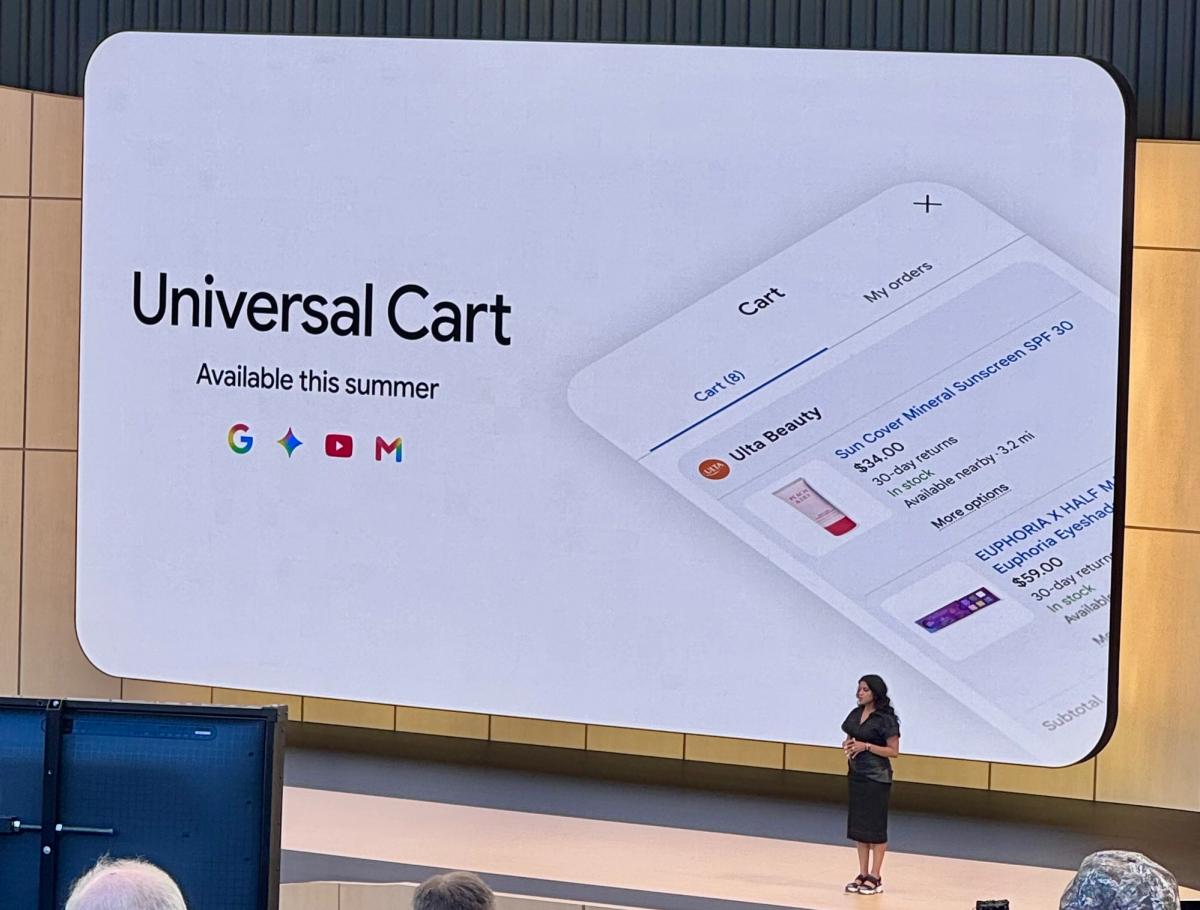
Google's Universal Cart, powered by the new Universal Commerce Protocol, lets consumers add products from Search, YouTube Shorts, Gemini, and Gmail into a single persistent shopping cart — with pricing history, AI-generated comparison tables, and one-click checkout, all without leaving Google's ecosystem.
What this means for your business: AI agents don't care about your hero image or brand story. They read Schema markup, structured data, and Google Merchant Center product feeds. If your backend data is messy or incomplete, Google's Universal Cart will route customers to a competitor whose data is clean. Getting your product data right is now a direct revenue issue.
3. Your Next Hire Might Not Be Human
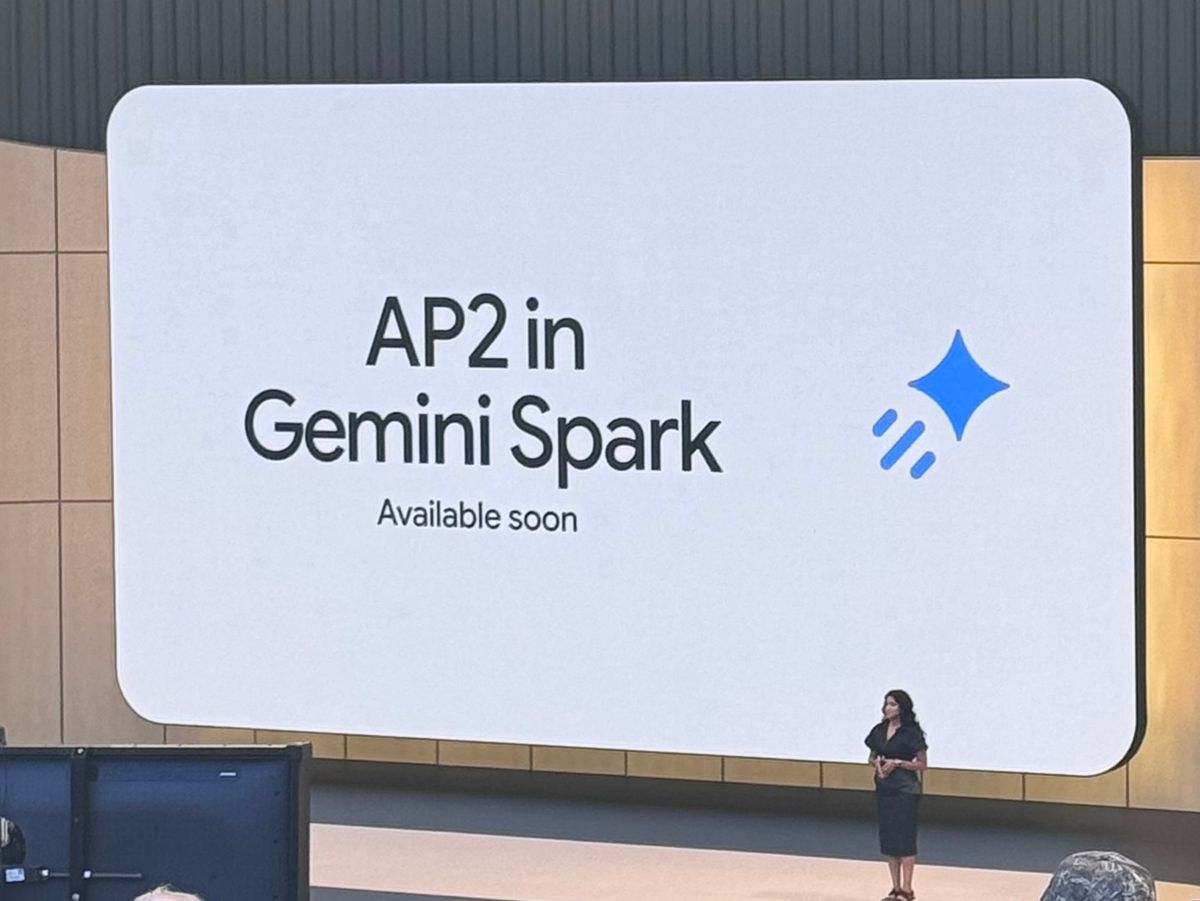
Gemini Spark is an always-on AI agent that runs continuously in the background — even when your devices are locked. It can monitor your inbox, flag urgent client inquiries, and draft project updates by pulling data automatically from your Workspace. The Agent Payments Protocol (AP2) keeps it financially safe, letting business owners set hard spending limits and strict merchant permissions.
What this means for your business: Repetitive administrative work is on the verge of reliable automation. The opportunity isn't just efficiency — it's redirecting your team's time toward strategy and growth while the AI handles the operational noise.
4. Video and Visual Search Just Got Much More Accessible
Two announcements stood out here:
Gemini Omni can generate high-quality video creative from a text prompt, with an understanding of real-world physics built in. The barrier to producing polished video ads and YouTube Shorts just dropped significantly — in both cost and time.
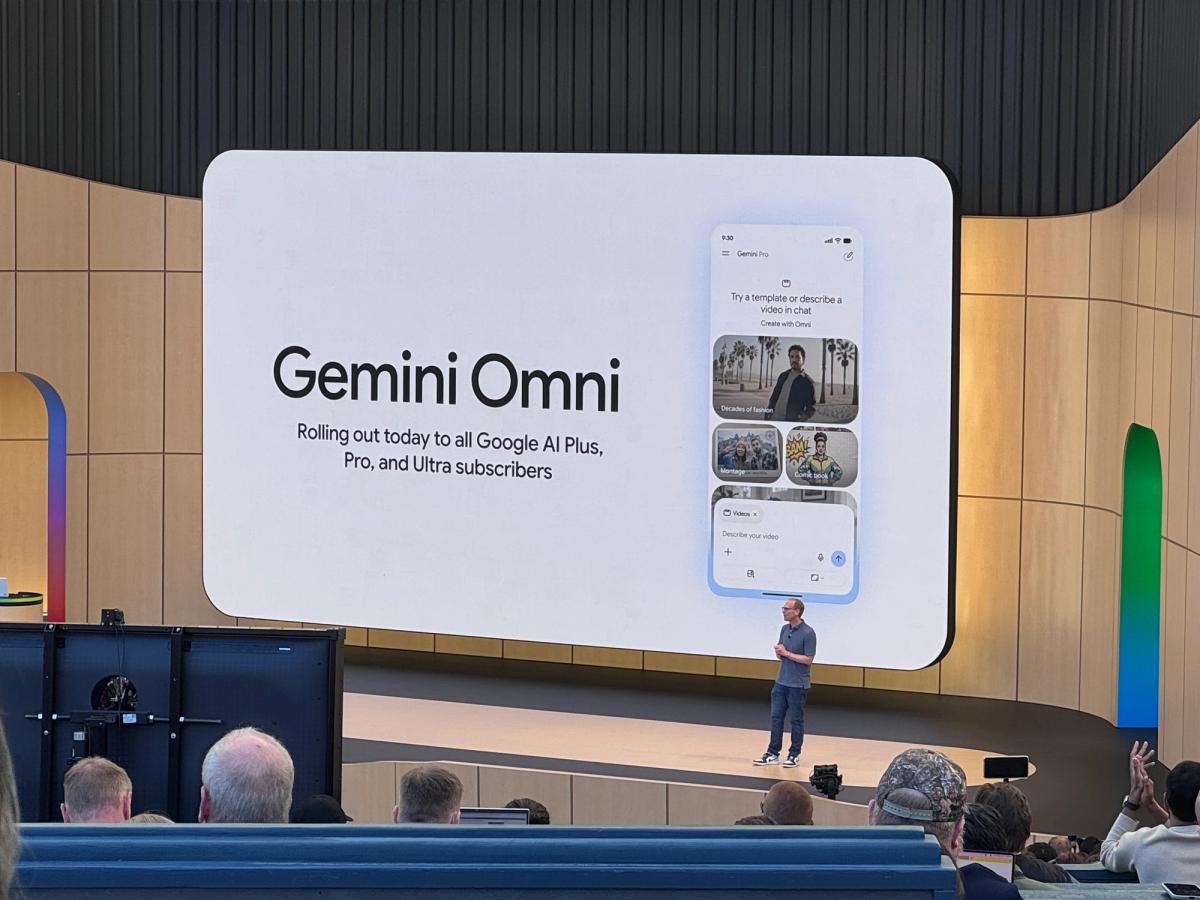
Ask YouTube adds a conversational chatbot directly to the platform. Instead of watching a 20-minute video, users ask a question and the AI jumps to the exact clip that answers it. For brands with video content, discoverability just changed fundamentally.
What this means for your business: If you've been putting off video because of production costs, that excuse is expiring. And if you already have a YouTube library, optimizing it for AI-surfaced answers is now part of your content strategy.
The Big Picture
Google is no longer just a place where people find websites. It's an AI layer that answers questions, builds comparison charts, and processes transactions — often without the user ever clicking through to you.
The businesses that adapt their data, content, and strategy now will be the ones the AI cites, recommends, and routes customers to. The ones that don't will simply become invisible.
Ready to find out where you stand? We're offering a free AI Readiness Audit — a concrete look at whether your website data, product feeds, and content are set up to win in this new landscape. Book your free audit →